The UAD 3.6 transition puts a premium on organized, documented property facts.
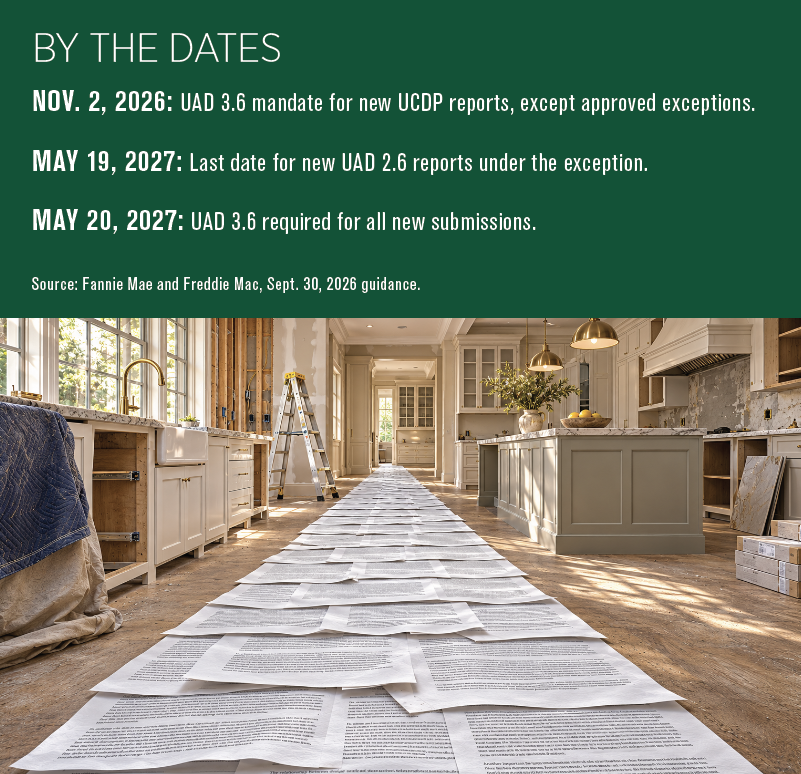
New appraisal reporting requirements are changing how property details are documented, making accurate listing information more important than ever. As of Nov. 2, 2026, new appraisal reports submitted to Fannie Mae and Freddie Mac’s Uniform Collateral Data Portal (UCDP) must use the redesigned Uniform Appraisal Dataset (UAD) 3.6 format. Lenders approved for a temporary exception can continue submitting reports in the older UAD 2.6 format through May 19, 2027. The mandate applies to these submissions, not every appraisal nationwide.
What UAD 3.6 Means for Real Estate Agents
UAD 3.6 replaces several legacy forms with one dynamic report that adapts to the property type. It captures more detail on renovations, accessory dwelling units (ADUs), solar systems, condition and other features. Agents can preview sample reports in Fannie Mae’s UAD 3.6 materials.
For Robert D. Brown, certified residential appraiser with First Choice Real Estate Appraisals in Springdale, Arkansas, the immediate need is complete MLS information. Appraisers need to know when kitchens, bathrooms, roofs and other components were updated, particularly improvements made within the past 15 years.
“Anything and everything that could be considered an update, we need to know and when it was done,” Brown says. Incomplete listings can require additional calls or even cause an appraiser to exclude a comparable sale when its details cannot be verified.
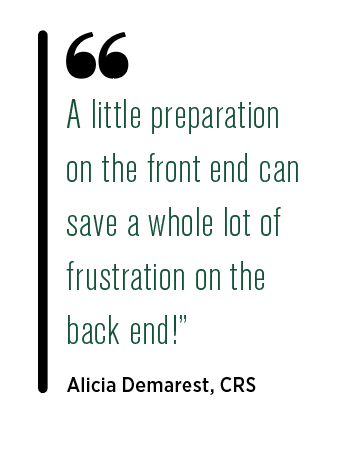
Alicia Demarest, CRS, executive broker with Lindsey & Associates in Fayetteville, Arkansas, agrees that preparation can reduce back-and-forth. “The appraiser still performs the report,” she says. “They’re just gonna need some information from us that they haven’t required previously.”
Give Facts a Paper Trail
Demarest encourages sellers to keep a notebook detailing improvements, with dates, descriptions and receipts when available. Brown emphasizes that appraisers care more about the nature and timing of updates than their price tags. Receipts may help indicate quality, but money spent does not necessarily equal market value.
Homeowners sometimes “confuse cost with value,” Brown says. For example, a $25,000 bathroom renovation may not increase the home’s appraised value by $25,000.
Agents should also document where property information comes from, distinguishing between receipts, seller recollections and their own observations. For additions and ADUs, provide available permits and occupancy records without making assumptions about code compliance, legal status or qualifying living area. Features such as views and premium lots should be described objectively rather than through promotional language.
Inform, Don’t Influence
Share the packet through the lender, appraisal management company or another approved channel. Provide objective facts about comparable sales, not a requested value or instructions for adjustments. The appraiser determines relevance and value. If an appraisal report contains errors, work through the lender’s established correction or reconsideration-of-value process.
As Demarest puts it, “Our job isn’t to tell the appraiser what a home is worth.”