In today’s cautious real estate market, pricing is no longer just a starting point; it’s a strategy for generating momentum. The difference between a listing that sells quickly and one that lingers often comes down to the right real estate pricing strategy and what happens in the first days after it hits the market.
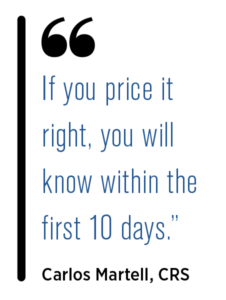
“The first 21 days are very important,” says Carlos Martell, CRS, associate broker with eXp Realty in Aventura, Florida, and area director for Broward County.
Why the First 10 Days Matter When Pricing a Listing
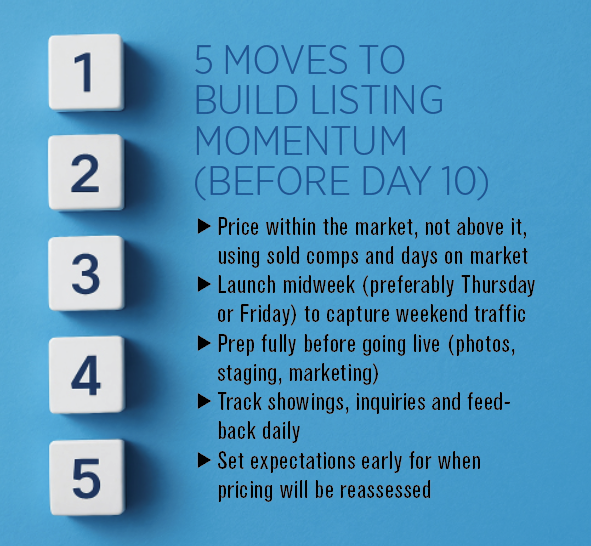
When a property goes live, it enters a period of heightened visibility. Buyers already searching in that price range are ready to act. It’s what Victoria Williams, CRS, broker/salesperson at Coldwell Banker Select Real Estate in Carson City, Nevada, and former president of the Northern Nevada CRS Chapter, calls “pent-up demand.”
Listings launched strategically, often midweek to capture weekend traffic, can generate immediate activity. Early showings, inquiries and feedback signal whether pricing aligns with the market. Silence, on the other hand, is a red flag.
For example, a home priced at $565,000 generated more than two dozen showings in its first week, clear evidence that it was positioned correctly. In contrast, listings with little to no activity in that timeframe often signal a pricing disconnect.
Pricing Psychology: Perception Drives Demand
Real estate pricing strategy is as much about psychology as it is about data. Buyers search within defined thresholds, and even small pricing missteps can limit visibility.
“If you want to sell at a certain number, pricing just above a common threshold can take you out of consideration,” Martell says.
Strategic pricing can also create urgency. In high-demand segments, pricing slightly below expectations may spark competition and multiple offers. In slower markets, however, it may simply increase showings without improving offers. The goal is alignment with buyer perception, not just attention.
Avoiding Overpricing: The Cost of Chasing the Market
Overpricing remains one of the most common and costliest mistakes. Sellers may want to “test the market,” but hope is not a strategy.
The risk isn’t just inactivity but rather erosion. As the number of days on market increases, buyer perception shifts and skepticism grows.
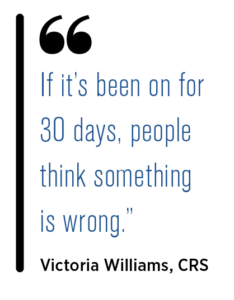
“If it’s been on for 30 days, people think something is wrong,” Williams says.
Repositioning Stale Listings: Reset Without Losing Confidence
When a listing loses momentum, a strategic reset can revive interest, but it must be handled carefully. Price adjustments are often the most effective lever, yet not the only one.
To reset momentum, agents can:
- Adjust pricing to better align with market feedback
- Update photos
- Refresh the listing description
- Reintroduce the property to boost visibility in searches
Equally important is setting expectations early so sellers understand how performance will be evaluated. Williams emphasizes using data and feedback, showing activity, agent comments and market comparisons to guide decisions.
Pricing as a Momentum Strategy
Pricing is not a one-time decision. It’s a dynamic strategy designed to create and sustain momentum. The most successful listings enter the market aligned with buyer expectations, generate early activity and adapt quickly when needed.
In a market where buyers have choices, momentum is everything.